

















 0
0
The biosecurity design of a pig farm can be compared to a fortress' defenses; the perimeter fence and geographical location reduce external risk, but access control is what protects the heart of the operation from non-airborne pathogens. Without a physical structure that forces people to follow the correct path, biosecurity is left to rely on people’s memory and discipline, making it fragile.
From this perspective, the farm’s structural design constitutes the first and most important biosecurity barrier. Even before written protocols, training, or audits, biosecurity begins with the blueprint, with zones, traffic flows, and access points defined clearly and without room for compromise.
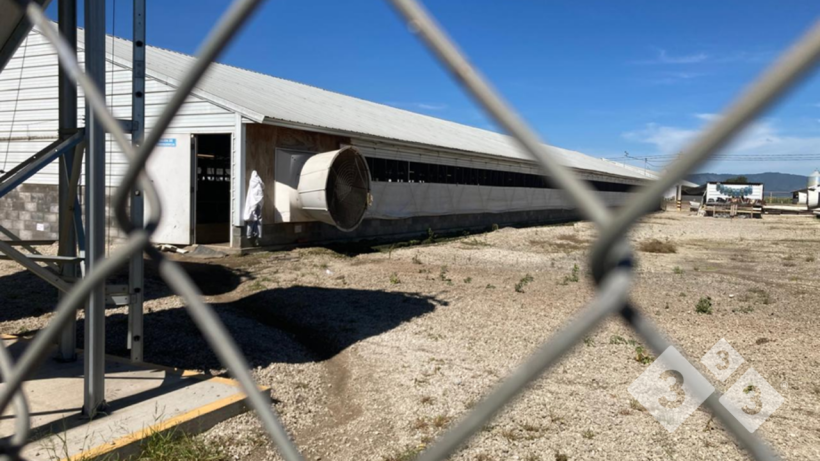
Photo 1. View of the barns from the perimeter fence, showing how the infrastructure prevents unauthorized access to the clean zone.

The concept of “No entry” encapsulates a fundamental principle: movement within the production facility must be controlled, logical, and without undue crossover. Proper separation between clean and dirty areas significantly reduces the risk of introducing and spreading diseases.
Clean and dirty zones: A real division
From a sanitation standpoint, every farm must be divided into two main areas. The dirty zone includes spaces that come into contact with the outside: vehicle access points, parking, external offices, supply reception areas, animal load-out areas, and waste disposal points. The clean zone corresponds to the production area itself: barns, internal storage areas, and circulation routes for authorized personnel.
| Sanitary zone | Technical definition | Sanitary objective | Components |
|---|---|---|---|
| Dirty zone |
Perimeter or transition area with direct or indirect contact with the outside. |
Minimize the risk of introducing pathogens through monitoring, disinfection, and progressive restrictions. |
|
| Clean zone |
Internal production area with strictly controlled access and enhanced biosecurity protocols. |
Protect the herd's health status by preventing the introduction and spread of pathogens. |
|
This division must be physical and clearly defined, using fences, walls, controlled access points, and designated routes. Good design reduces reliance on individual judgment and prevents operational errors- one of the main causes of biosecurity failures.
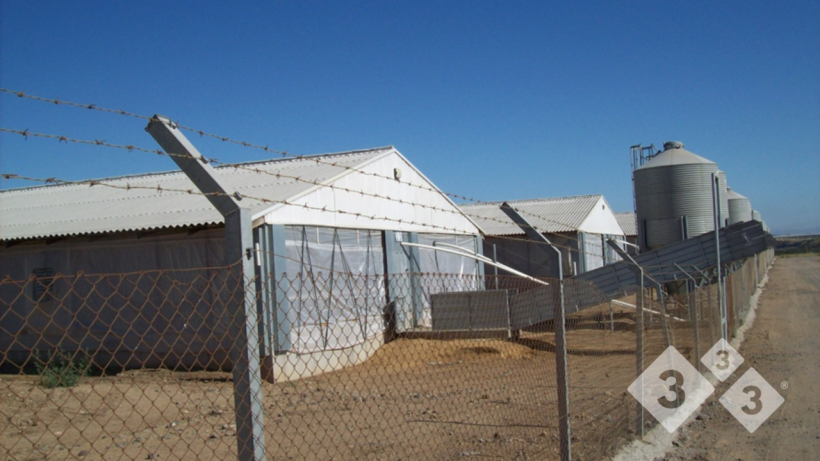
Photo 2. View of a perimeter fence with a concrete base and barbed wire at the top, establishing an impassable physical boundary between the outside and the farm’s productive interior.
One-way traffic with no intersections or shortcuts
The flow principle stipulates that entry must be from the dirty zone to the clean zone, passing through biosecurity checkpoints, and that exiting must be from the clean zone to the dirty zone, with no backtracking. There must be no alternative access points or shortcuts that allow entry into the production area without complying with these controls.
This approach is consistent with best management practices and the recommendations of international organizations such as the World Organization for Animal Health (WOAH, formerly OIE) and the Food and Agriculture Organization of the United Nations (FAO), which identify two-way traffic and cross-flow as one of the main vectors for the introduction and spread of diseases on livestock farms.
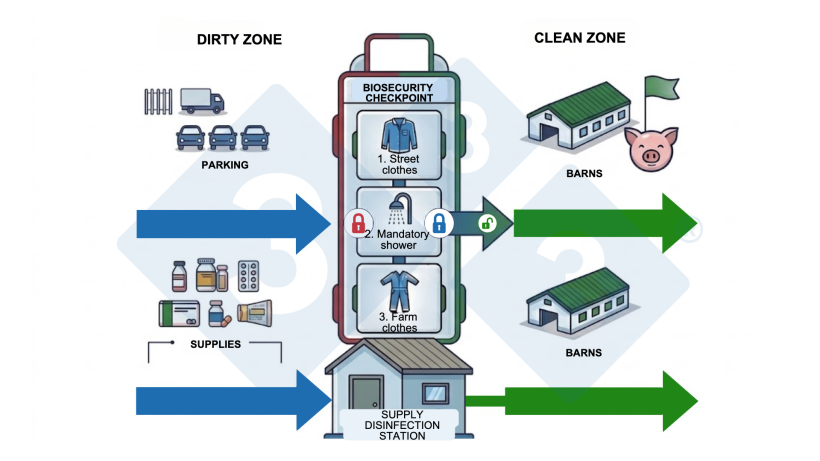
Figure 1. Infographic illustrating the “No entry” principle, which shows the mandatory flow from the dirty area to the clean area through sanitary checks and disinfection of supplies.
Biosecurity checkpoint: Where the “No entry” rule is enforced
The biosecurity checkpoint is the critical point of separation between zones. It is not just a single room, but a system that must include at least three clearly distinct areas: a dirty zone for street clothes and personal items, a transition zone with a mandatory shower, and a clean zone with changing rooms and clothing designated exclusively for the farm.
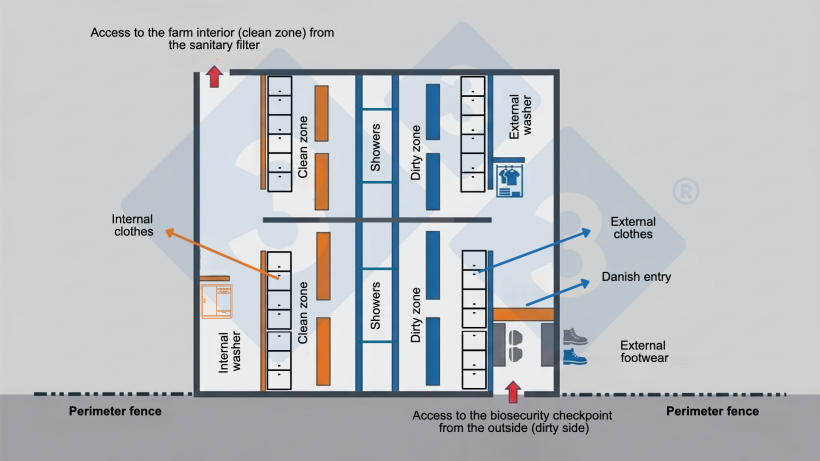
Figure 2. Diagram of a biosecurity checkpoint showing the physical separation achieved using Danish entries to keep footwear outside the changing area, as well as the required sequence: dirty zone, showers, and clean zone.
The design must physically prevent users from bypassing the process. Boot benches, one-way doors or doors with automatic locks, and clear signage help ensure compliance. The shower is not optional: it is an essential sanitary barrier, especially in high-biosecurity systems.
In areas or countries where the prevalence of high-impact endemic diseases is significant, the installation of a dry shower or an external changing room may be considered, where protective clothing is provided to those entering the farm. In this case, the dry shower must also include designated dirty and clean zones and will serve only as a preliminary checkpoint that does not affect compliance with subsequent access regulations.
Changing rooms and supplies: Critical control points
Showers and changing rooms should be functional and comfortable. If the design is inadequate, compliance declines. When performing work outside the perimeter fence, separate clothing must be provided for those tasks, which must not be brought into the clean area.
The intake of supplies must also be monitored through disinfection stations located at the perimeter of each zone. These stations allow materials to be received without suppliers or delivery personnel entering the production area.
Carcass management
The handling of dead animals is a critical issue and must be explicitly addressed in the design. Carcasses should not remain in the barns any longer than is strictly necessary. The temporary storage area should be located in the dirty zone, near the perimeter, and have direct access from the outside.
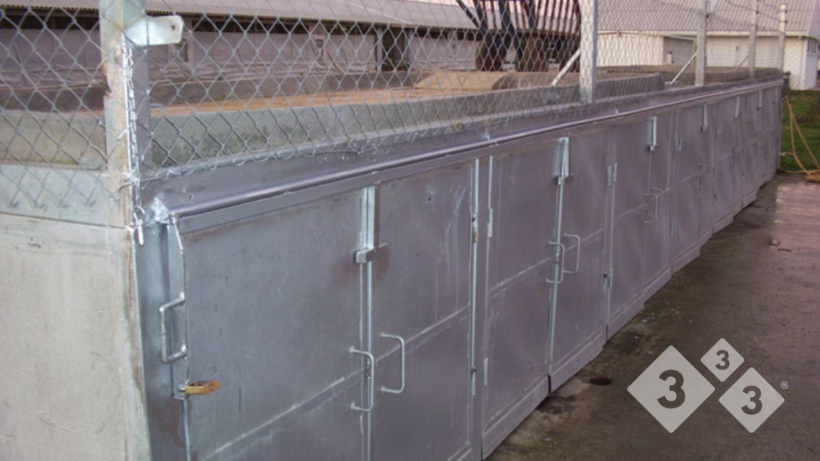
Photo 3. A carcass transfer station designed along the perimeter fence, allowing animals to be removed from the outside without external vehicles or personnel coming into contact with the farm’s clean zone.
If a third party does the removal, the pickup point must prevent the vehicle from entering the farm or crossing clean areas. Closed, waterproof, and easy-to-clean containers reduce sanitary risks and the attraction and proliferation of potential disease vectors. Personnel who handle carcasses and must go outside must use dedicated clothing, footwear, and tools, without immediately re-entering the clean zone, strictly adhering to cleaning protocols and, when applicable, taking a sanitary shower.
In systems that use on-site pits (where permitted) or compost bins, these should be located away from water sources and areas where personnel regularly pass through.
Design first, discipline second
When biosecurity is well designed, it integrates naturally into daily routines and is applied objectively. When it relies solely on discipline, it becomes vulnerable and subject to subjective interpretation. Experience shows that farms with clearly separated zones, well-placed biosecurity checkpoints, and properly defined traffic flows have lower sanitary risks and greater production stability.
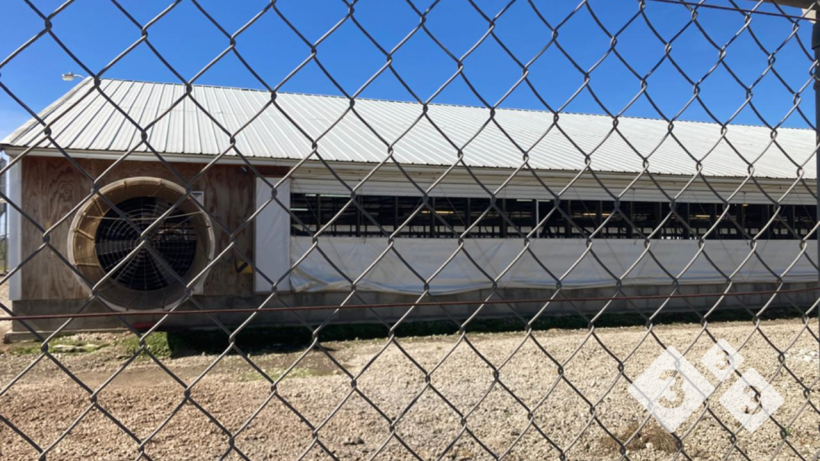
Photo 4. The integration of physical barriers and controlled flow supports robust biosecurity that does not rely on human error, but rather on planning from the design stage.
In pig farming, “No entry” is not a restriction: it is a biosecurity strategy that begins at the blueprint and is implemented in daily operations.